

How to Choose the Best Hotel Booking Engine for Your Hotel
June 11, 2026 • 7 min read
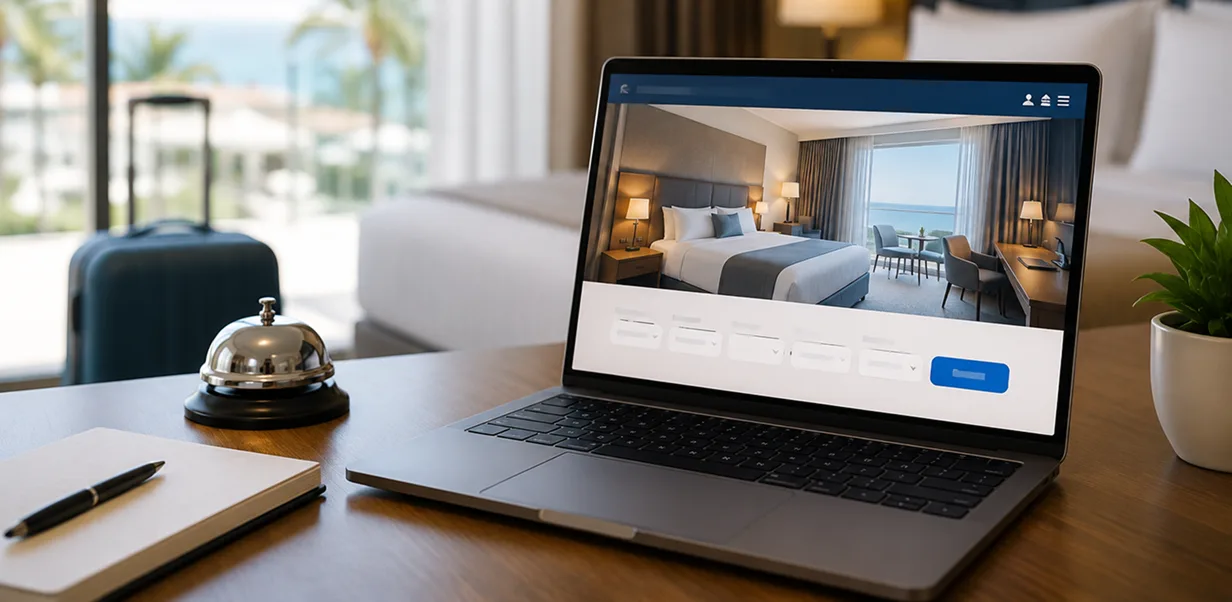
Running a hotel today is very different from what it was a few years ago. Most guests do not walk in or call to make a booking anymore. They search online, compare options, check reviews, and book instantly from their phone or laptop.
Most hotels today rely heavily on online travel agencies like MakeMyTrip, Booking.com, Tripadvisor, Expedia, and Agoda to bring in reservations. While these platforms are important for visibility, they also charge high commissions and control the guest relationship.
In this journey, your hotel website becomes one of your most important sales channels. But a website alone is not enough. Without a proper booking system, your website is only showing information, not generating revenue.
This is where a hotel booking engine becomes extremely important.
A hotel booking engine is what allows guests to check room availability, see pricing, and complete a booking directly on your website in real time. It removes friction, speeds up the booking process, and helps you capture direct revenue instead of losing it to third party platforms.
However, choosing the right booking engine is not always easy. Many hotels either choose based on price or basic features, without understanding how deeply it affects their revenue, guest experience, and long term growth.
This guide will help you understand everything in a practical way so you can confidently choose the right booking engine for your hotel.
What is a Hotel Booking Engine?
A hotel booking engine is a system that allows guests to book rooms directly from a hotel website in real time.
It connects your room inventory, pricing, and availability so guests always see accurate information and can confirm bookings instantly.
In simple terms, it turns your hotel website into a revenue generating channel instead of just an information page.
How a Hotel Booking Engine Works
To choose the right booking engine for your hotel, you first need to understand how guests experience it.
From a guest perspective, the process is very simple.
They visit your website, select dates, choose a room, enter details, and complete payment.
Behind the scenes, the system is constantly syncing data across your hotel systems.
- It updates room availability in real time
- It syncs with your PMS and channel manager
- It ensures pricing is always accurate
- It prevents overbooking automatically
The goal is simple: make booking effortless for guests and fully automated for hotels.
Why a Hotel Booking Engine Matters
A booking engine directly affects how much revenue your hotel earns from its website.
If the booking experience is slow or confusing, guests drop off and book through OTAs instead. That means lost revenue and high commission costs.
A strong hotel booking system improves performance in a very direct way:
- Increase direct bookings from your website
- Reduce OTA commission costs
- Improves conversion rate
- Gives control over pricing and availability
- Capture guest data directly
- Build repeat customer relationships
Even a small improvement in conversion rate can create significant monthly revenue impact.
What You Should Look for in a Hotel Booking Engine
Choosing the right booking engine for hotels is not about picking the cheapest or most popular option. It is about choosing a system that helps you generate more revenue with less friction.
There are a few important things every hotel should focus on.
Mobile Experience Is the First Priority
Most hotel bookings today happen on mobile devices. Guests search for hotels while traveling, during work breaks, or while planning trips on the go.
If your booking engine does not work smoothly on mobile, you are already losing a large portion of potential bookings.
A good mobile experience means pages load quickly, buttons are easy to tap, room selection is simple, and checkout does not require too many steps.
Even small delays or complicated forms can lead to drop-offs.
Real Time Accuracy Builds Trust
One of the biggest reasons guests abandon bookings is confusion about availability or pricing.
A strong booking engine always shows real time data. This means when a room is booked, it immediately disappears from availability. When prices change, they are updated instantly.
This builds trust with the guest and prevents double bookings or frustration at checkout.
Secure Payment Experience Matters More Than You Think
When guests are ready to pay, they need to feel confident that their information is safe.
A good booking engine supports secure payment gateways, multiple payment options, and instant booking confirmation.
If guests feel uncertain at the payment stage, they will abandon the booking even if everything else was perfect.
Direct Booking Tools Increase Revenue
A booking engine should not just process bookings. It should actively help you increase direct bookings.
Features like discount codes, special offers, package deals, and room upgrades can encourage guests to book directly instead of using third party platforms.
These tools also help you compete better with OTAs by offering better value directly on your website.
You may also like: How Direct Booking Systems Help Hotels Increase Revenue
Integration With Hotel Systems Saves Time
Hotels today use multiple systems like property management software, channel managers, and revenue tools.
Your booking engine should connect smoothly with all of them. This reduces manual work, avoids errors, and keeps everything updated automatically.
Without proper integration, staff often have to update things manually, which increases workload and chances of mistakes.
Data and Insights Help You Grow
A good booking engine also gives you visibility into how your website is performing.
You should be able to see how many visitors are booking, where they are dropping off, which room types are most popular, and how much revenue is coming from direct bookings.
This information helps you make better business decisions over time.
Booking Engine vs Online Travel Agencies
OTAs like MakeMyTrip, Booking.com, and Expedia are important for visibility, especially for new guests.
But they come with trade-offs.
They bring traffic, but they also:
- Charge high commissions
- Control guest data
- Limit pricing flexibility
A booking engine gives control back to the hotel.
It allows you to:
- Keep full revenue
- Own guest data
- Build repeat customers
- Reduce dependency on third parties
The most successful hotels use both, but focus on increasing direct bookings for profitability.

Mistakes Hotels Commonly Make
Many hotels lose direct revenue not because of demand, but because of system choices.
Common mistakes include:
- Choosing based only on price
- Ignoring mobile experience
- Using complicated booking flows
- No integration with hotel systems
- No focus on conversion rate
Even small friction in booking flow can reduce revenue every single day.
When You Should Consider Changing Your Booking Engine
A hotel should seriously consider upgrading when it sees clear performance issues.
Signs include:
- Heavy dependence on OTAs
- Low website conversion rates
- Poor mobile booking experience
- Lack of booking insights
- Slow or outdated system performance
If these issues exist, the booking engine is likely holding back revenue growth.
How to Choose the Right Booking Engine
If you run a small or independent hotel
Focus on:
- Simplicity
- Easy setup
- Mobile-first experience
- Low operational complexity
You do not need heavy enterprise features. You need fast conversion.
If you run a resort or leisure property
Focus on:
- Package bookings
- Upselling features
- Seasonal pricing flexibility
- Strong visual booking experience
Guests are experience driven, so presentation matters.
If you run a chain or multi-property hotel
Focus on:
- Centralized control
- Strong reporting and analytics
- PMS and channel manager integration
- Scalability across properties
You need system depth and consistency.
Simple rule to remember
If your booking engine does not improve conversion, reduce workload, or increase direct bookings, it is not the right one for your hotel.
How Hotellifyr Helps Hotels
Hotellifyr is built to help hotels increase direct bookings and reduce dependency on online travel agencies.
Hotellifyr provides:
- A fast and simple booking experience
- Real time availability and pricing control
- Seamless integration with hotel systems
- Tools to increase direct bookings
- Better visibility into performance and revenue
The goal is simple: help hotels turn their website into a consistent revenue channel instead of just a digital brochure.
Final Thoughts
A hotel booking engine is not just software. It is a core revenue system for modern hotels.
The right booking engine can completely change how your hotel performs online. It can increase direct bookings, improve guest experience, and reduce unnecessary commission costs.
Instead of focusing only on features or price, hotels should focus on how well the system helps convert website visitors into real bookings.
Because in the hospitality industry, the easier you make it for guests to book, the more revenue you generate.